What Is Fatty Liver Disease?
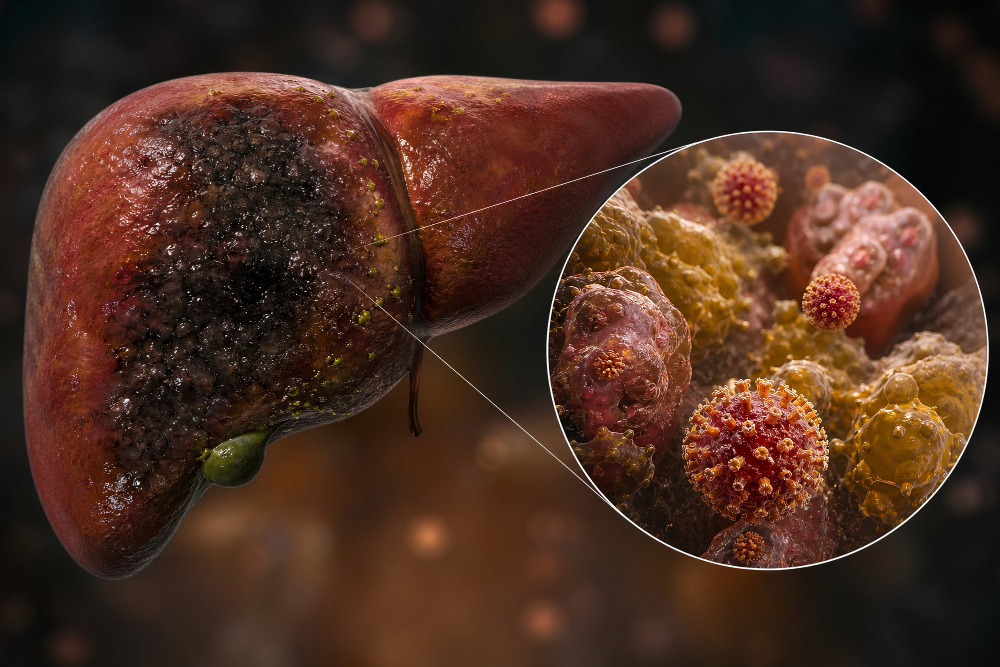
Fatty liver disease happens when extra fat builds up in the liver. This can affect how the liver works. In many cases, people do not notice any symptoms at first. However, over time, fatty liver disease can lead to serious health problems. There are different types of fatty liver disease. NAFLD vs NASH is a common topic because these are the two main types. According to the CDC, fatty liver disease is becoming more common worldwide.
What Is NAFLD?
NAFLD stands for nonalcoholic fatty liver disease. It means fat builds up in the liver, but not because of alcohol. Instead, it often happens in people who are overweight or have high blood sugar. NAFLD is the most common type of fatty liver disease. Most people with NAFLD do not have symptoms. Still, some may feel tired or have mild pain in the upper right side of the belly.
Key symptoms and risk factors include:
Because NAFLD often has no symptoms, many people do not know they have it.
What Is NASH?
NASH stands for nonalcoholic steatohepatitis. It is a more serious form of fatty liver disease. In NASH, fat in the liver causes swelling and damage. Over time, this can lead to scarring of the liver. Unlike NAFLD, NASH can get worse and cause liver failure in some people.
How does NASH differ from NAFLD? While both involve fat in the liver, NASH also has swelling and damage. This makes NASH more dangerous than simple NAFLD.
Symptoms and risk factors for NASH include:
Even though NASH is less common than NAFLD, it is more likely to cause serious liver problems.
Key Differences Between NAFLD and NASH
Understanding the differences between NAFLD and NASH helps people know their risks and options.
Diagnosis of NAFLD and NASH
Doctors use several methods to find fatty liver disease types. First, they may order blood tests to check liver health. Next, imaging tests like ultrasound or MRI can show fat in the liver. Sometimes, a liver biopsy is needed. This test takes a small piece of the liver to check for swelling or damage.
When should you see a doctor? If you feel tired, weak, or have belly pain that does not go away, talk to your doctor. Also, people with risk factors like obesity or diabetes should ask about liver health during checkups.
Treatment and Management
Treatment for NAFLD and NASH focuses on stopping the disease from getting worse. For many people, lifestyle changes are the first step. Eating a healthy diet and being active can help reduce liver fat. Losing weight, even a small amount, can make a big difference.
Other treatment options include:
Currently, there is no specific medicine approved for NAFLD or NASH. However, new treatments are being studied.
Prevention Tips
There are steps you can take to lower your risk of fatty liver disease types. For example, eating a balanced diet and staying active help protect your liver. Also, keeping a healthy weight and avoiding too much sugar or fat can make a big difference.
By making these changes, you can help prevent NAFLD, NASH, and other fatty liver disease types. The World Health Organization and CDC both recommend these healthy habits for liver health.
Conclusion
If you have questions about fatty liver disease or want to check your liver health, Dr.Venkatesh is here to help. Schedule a consultation today for guidance and support tailored to your needs.
If you have questions about fatty liver disease or want to check your liver health, Venkatesh is here to help. Schedule a consultation today for guidance and support tailored to your needs.