Many people feel upper abdominal pain after eating, and gallstones are a common cause. Gallstones are small, hard stones that form in the gallbladder. Often, this pain starts soon after a meal, especially if the food is fatty. In the United States, gallstones affect millions of people each year. Understanding why this pain happens can help you manage symptoms and seek the right care.
What Are Gallstones?
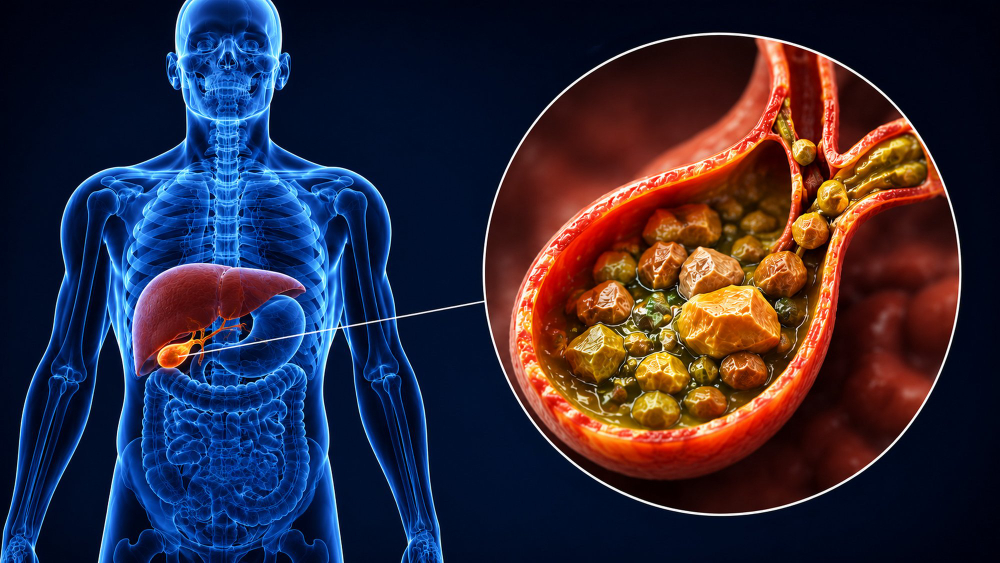
Gallstones are solid pieces that form in the gallbladder, a small organ under your liver. The gallbladder stores bile, which helps digest fat. Sometimes, bile contains too much cholesterol or bilirubin. As a result, these substances can harden and form stones. Gallstones can be as small as a grain of sand or as large as a golf ball. Not everyone with gallstones has symptoms. However, when they block the flow of bile, problems can start.
How Do Gallstones Cause Upper Abdominal Pain After Eating?
After you eat, your body tells the gallbladder to release bile. This helps break down fat. But if a gallstone blocks the bile duct, bile cannot flow out. Therefore, pressure builds up inside the gallbladder. This pressure causes pain in the upper right or middle part of your belly. The pain often starts within an hour after eating, especially after a fatty meal. Sometimes, the pain can last for several hours. For many, this pain is called a “gallbladder attack.” It can feel sharp, cramping, or steady.
Common Symptoms of Gallstones
Gallstones can cause many symptoms. Some people may not notice any signs. Yet, when symptoms appear, they can include:
For example, if you notice pain after meals, especially with other symptoms, it may be due to gallstones. Early recognition helps prevent complications.
Causes and Risk Factors for Gallstones
Several factors can increase your risk of gallstones. According to the CDC, gallstones are more common in women, older adults, and people with certain health conditions. Key risk factors include:
In the United States, gallstones are a leading cause of gallbladder pain after meals. Knowing your risk can help you take steps to prevent them.
How Gallstones Are Diagnosed
Doctors use several tests to find out if you have gallstones. First, they ask about your symptoms and health history. Next, they may do a physical exam. To confirm the diagnosis, doctors often use imaging tests. These include:
For many, a simple ultrasound can show if gallstones are present. Early diagnosis helps guide treatment and prevent problems.
Treatment Options for Gallstones
Treatment for gallstones depends on your symptoms and overall health. If you have no symptoms, you may not need treatment. However, if you have pain or other problems, options include:
Most people with gallbladder pain after meals need surgery. Removing the gallbladder is safe and common in the United States. After surgery, you can live a normal life without a gallbladder.
Lifestyle Tips for Managing Gallstones
While waiting for treatment, you can take steps to manage symptoms of gallstones. For example, try these tips:
In addition, gentle exercise can help with digestion. Always talk to your doctor before making big changes to your diet or activity.
Preventing Gallstones
There are ways to lower your risk of developing gallstones. The CDC and other experts suggest:
For many people in the United States, these steps can help prevent gallstones and reduce the chance of upper abdominal pain after eating. Making small changes now can have a big impact later.
Conclusion
If you have upper abdominal pain after eating or think you may have gallstones, Dr. Venkatesh Raya and our team are here to help. Book a consultation today to discuss your symptoms and get the right care.