
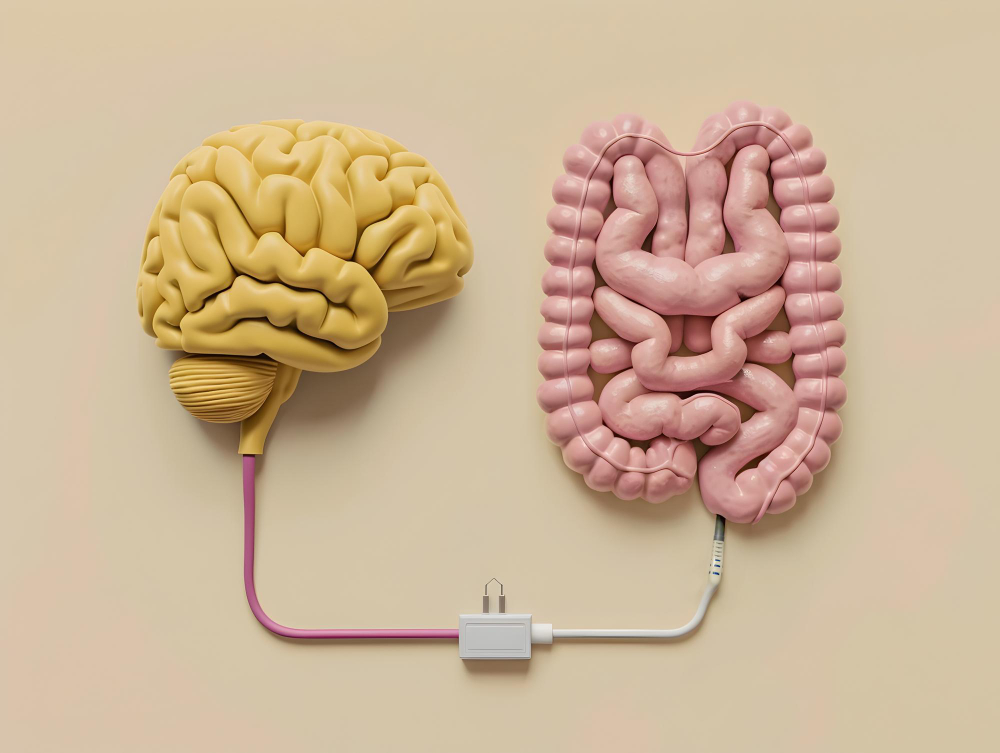
Introduction to the Gut-Brain Connection
The gut-brain connection is a two-way link between your brain and your digestive system. This link is called the gut-brain axis. It helps your brain and gut talk to each other. Because of this, your mood and stress levels can affect your digestion. For example, when you feel anxious, your stomach may hurt. Scientists now know this connection is very important for overall health. In fact, the gut-brain connection can even impact how well your body absorbs food. Many people in cities like New York and Los Angeles are learning more about this topic. Understanding the gut-brain axis can help you take better care of your digestive health.
How Stress Affects the Digestive System
Stress can change how your digestive system works. When you feel stressed, your body releases hormones like cortisol and adrenaline. These hormones prepare your body to react quickly. However, they also slow down or speed up your digestion. For instance, stress may cause your stomach to make more acid. This can lead to heartburn or indigestion. In addition, stress can change the balance of bacteria in your gut. This balance is important for healthy digestion. According to the World Health Organization, stress can trigger changes in gut movement and sensitivity. Because of the gut-brain axis, your brain sends signals to your gut during stressful times. As a result, you may notice changes in how your stomach feels or works.
Common Digestive Symptoms Linked to Stress
Many people notice digestive symptoms when they feel stressed. These symptoms can be mild or more serious. For example, you may feel:
Sometimes, these symptoms come and go with your stress levels. Because stress and digestion are closely linked, even small worries can affect your gut health. In some cases, ongoing stress may lead to longer-term problems, such as irritable bowel syndrome (IBS). The Centers for Disease Control and Prevention (CDC) notes that stress can make existing digestive issues worse. Therefore, paying attention to your body’s signals is important.
Diagnosis and When to Seek Medical Advice
It is normal to have mild digestive symptoms from time to time. However, if your symptoms last more than a few days, you should talk to a doctor. For example, you should seek help if you notice:
Doctors may ask about your stress levels and daily habits. They may also check for other causes of your symptoms. Because stress and digestion are linked, your doctor may suggest ways to manage stress. In some cases, tests like blood work or scans may be needed. According to the National Institutes of Health, early diagnosis can help prevent more serious health problems.
Evidence-Based Ways to Manage Stress for Better Digestion
Managing stress can help improve your gut health. Many simple steps can make a big difference. For example, you can try:
Because the gut-brain axis is so important, these steps can help both your mind and your digestion. The CDC and peer-reviewed journals suggest that relaxation techniques may lower stress hormones. As a result, your digestive system can work more smoothly. In some cities, you can also find support groups or classes for managing stress and digestion. If you need extra help, a doctor or counselor can guide you.
Prevention Strategies for Stress-Related Digestive Issues
Preventing stress-related digestive problems starts with healthy habits. You can take steps each day to protect your gut health. For instance, you can:
Because stress and digestion are connected, these habits can help prevent future problems. The World Health Organization recommends a balanced lifestyle for both mental and gut health. In addition, keeping a symptom diary can help you spot patterns. If you notice certain foods or situations make your symptoms worse, you can share this with your doctor. Over time, these small changes can support a healthy gut-brain connection.
Conclusion
If you have ongoing digestive symptoms or concerns about stress and gut health, Dr. Venkatesh and the team are here to help. Book a consultation today to get expert advice and support for your well-being.